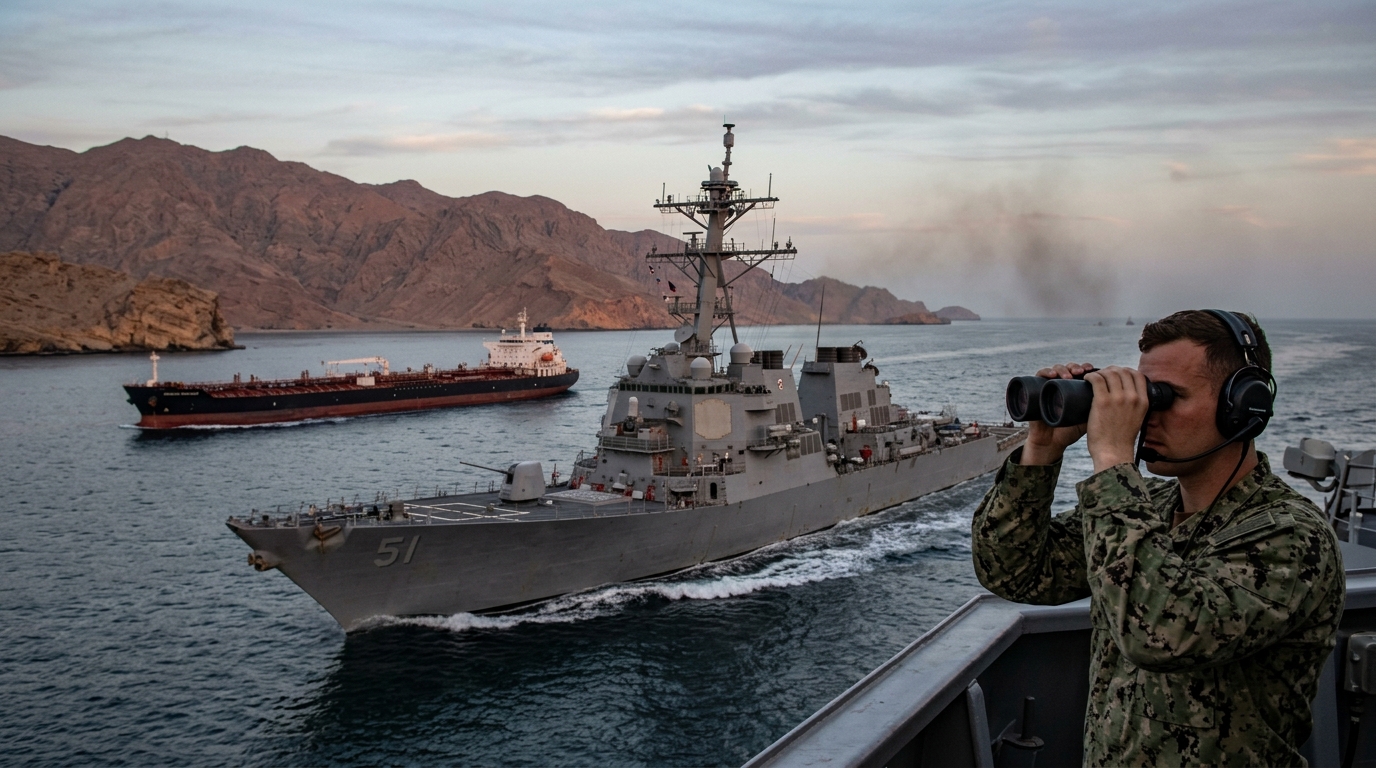
Brent crude climbed toward $92 a barrel Wednesday, rising 0.55% to $91.52 and extending gains for a fourth consecutive session, as the standoff between the United States and Iran over control of the Strait of Hormuz showed no sign of resolution. U.S. West Texas Intermediate traded around $85 a barrel over the same period.
President Trump said Wednesday that Washington was not currently holding or planning talks with Tehran, while confirming that the U.S. naval blockade around the strategic waterway remains in effect. Despite Trump's earlier claims that the Strait of Hormuz has been reopened and that mines have been cleared, shipping risks in the corridor persist, with a vessel reportedly attacked while leaving the strait, suffering engine-room damage and a crew casualty according to UK maritime authorities.
Iranian forces have intensified hostilities over the past week, with at least eight attacks reported on vessels transiting Hormuz so far this month, including ships linked to the United Arab Emirates and Saudi Arabia. Shipping traffic through the waterway fell 19.5% last week compared with the already-depressed traffic of the prior week, down from a pre-war average of roughly 130 vessels crossing daily.
Gulf producers have adapted to the disruption by finding alternative routes to maintain exports. Saudi Arabia has begun offering crude cargoes sourced from outside the chokepoint, a strategy similar to measures the United Arab Emirates has already adopted to move oil through or around the affected corridor. In the United States, industry data showed crude inventories fell by 328,000 barrels last week, following a 9.07 million-barrel increase the previous week.
The prolonged standoff follows a 60-day memorandum of understanding the U.S. and Iran signed in June, which technically expired this week without renewal. Trump said Monday he would not seek to revive the lapsed truce, telling reporters Iran wants to make a deal but "not going to make the kind of a deal that I feel is necessary." Oil prices have been volatile since the memorandum was signed, falling back toward prewar levels in early July before rebounding sharply with no clear end to the fighting in sight.
Oil prices are now nearly 50% higher than at the start of the year, a run-up that has flowed through directly to U.S. refiners, which have posted record margins on the widening spread between crude and refined products such as diesel. The persistent risk premium has also kept Treasury yields elevated and added to inflationary pressure that Federal Reserve officials are weighing as they debate the path for interest rates through the rest of the year.
Energy traders are likely to remain focused on any further developments out of Washington or Tehran, with the potential for a rapid re-pricing of oil markets should the standoff escalate into direct military confrontation affecting broader shipping through the strait.