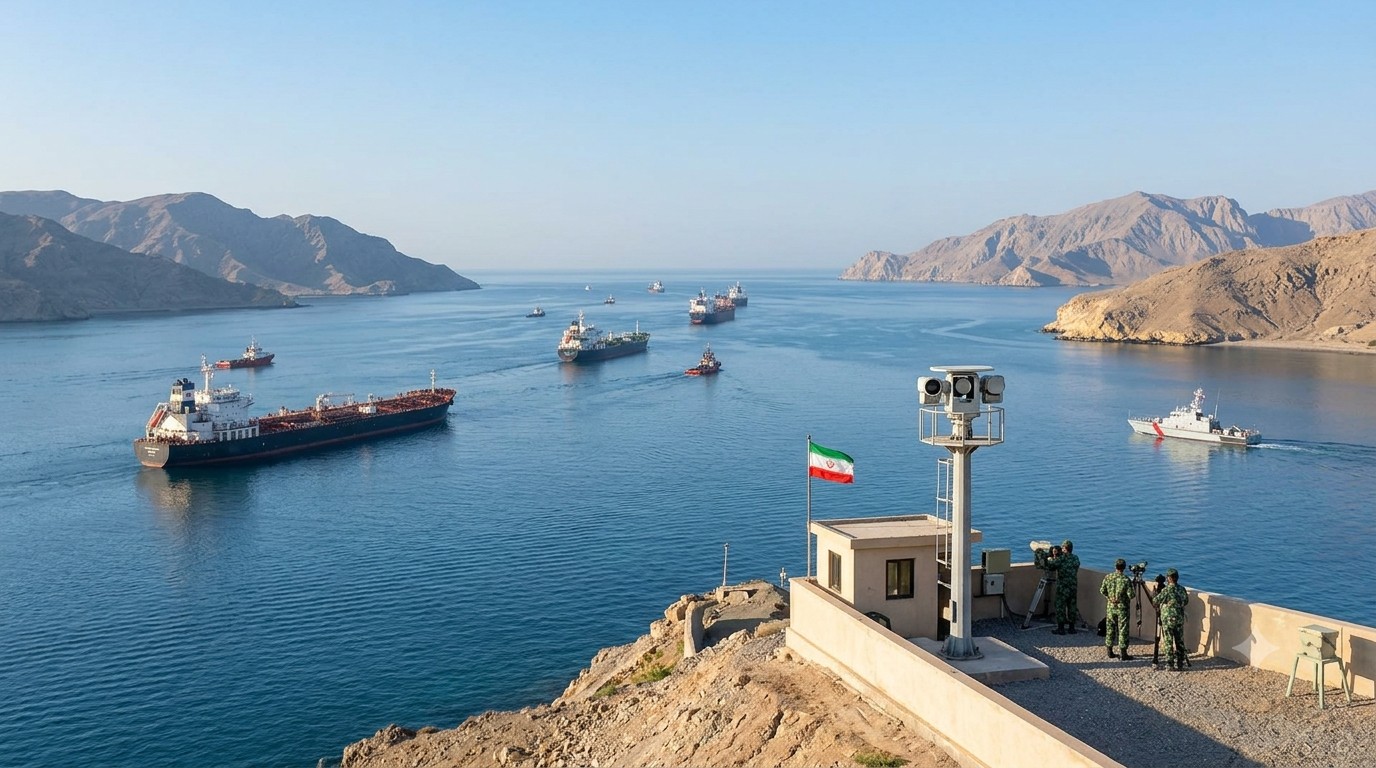
Progress toward a shipping arrangement involving Iran and Oman for transit through the Strait of Hormuz helped stabilize oil prices and supported broader risk sentiment. Brent crude traded near $80 a barrel as investors assessed the potential for lower disruption risk in a critical energy chokepoint.
Sources indicated the proposed deal would give Tehran a degree of control or oversight over vessels entering the Gulf via the strait. Markets have repeatedly priced and then partially unwound geopolitical premiums throughout 2026 as diplomatic signals alternated with periods of heightened tension.
Lower or stable oil prices reduce one source of inflation pressure and have contributed to a modest decline in the implied probability of a September Federal Reserve rate increase. Equity futures reflected the mixed backdrop: Dow and S&P 500 contracts held steadier while Nasdaq futures lagged on technology-specific pressures.
Energy equities and related sectors remain sensitive to any confirmation or breakdown of the reported framework. A durable reduction in shipping risk would support global growth assumptions and ease input-cost concerns for energy-intensive industries. Conversely, any renewed escalation could quickly reintroduce a risk premium.
Traders are treating the news as incrementally constructive rather than definitive. Official confirmation, implementation details, and the reaction of other regional parties will determine whether the premium continues to compress. In the near term the development has helped keep major U.S. index futures from broader declines despite weakness in selected technology and aerospace names.
The interplay between geopolitics, oil, and monetary-policy expectations remains a central macro driver for the balance of the week, especially with the July employment report still ahead.